

Should you need to return for any treatments or follow-ups, your clinician will discuss them and help you schedule your next appointments. Regular Dental Health Checks are essential for helping to keep your teeth and gums healthy, preventing future problems, and catching any issues early on, when they are easier to treat!

23
Feb
Feb
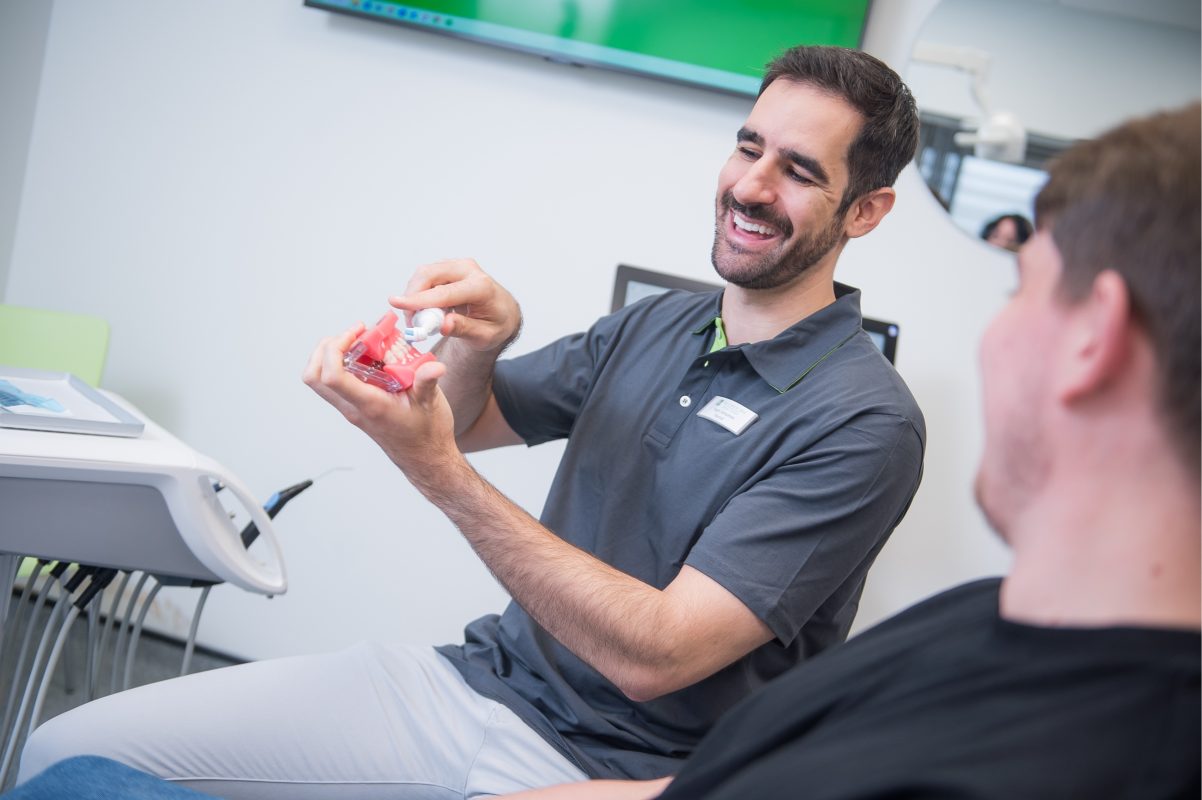
The dentist may give you advice on how to improve your oral hygiene routine at home. This could include tips on brushing, flossing, toothpastes and using mouthwash, or recommendations for diet and lifestyle changes to improve your oral and general health.

23
Feb
Feb
After the exam, the dentist will review the results with you. They will explain if there are any issues that need attention, such as cavities, gum disease, or the need for further treatments like fillings, crowns, or other procedures. They will discuss all treatment options available to you and give you costed treatment plans. Should […]
23
Feb
Feb
We will always carry out a cursory check of your skin on head and neck. We will gently palpate your neck to assess for any swellings and we will note discomfort in facial nerves, muscles and jaw joint.

23
Feb
Feb
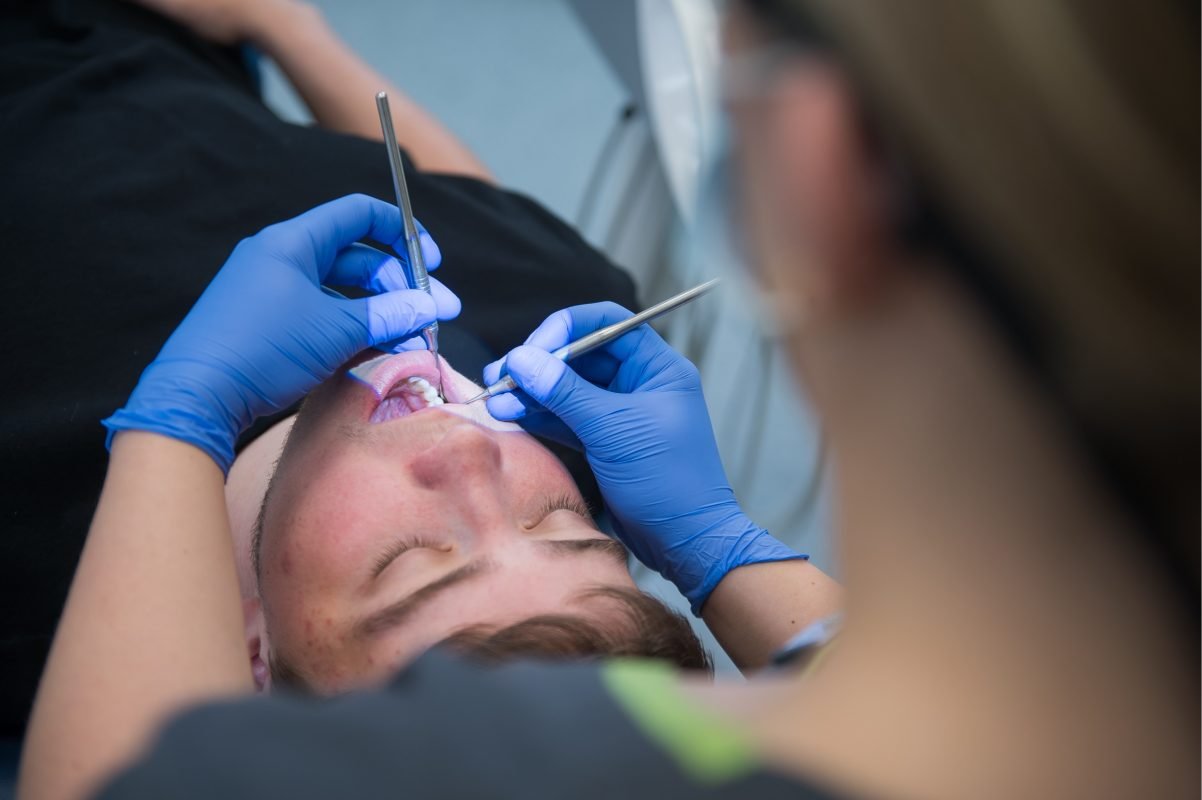
We make a point of having another dedicated examination of the wider lining of your mouth such as your cheeks, palate, floor of the mouth, throat and tongue during your examination. This is to ensure that no subtle changes of your soft tissues have been overlooked in the earlier part of your appointment.
23
Feb
Feb
The dentist or dental therapist will check your gums to see if they are healthy. This involves measuring the depth of the gum from its edge to near the bone. Healthy gums are tight against the teeth and don’t bleed, but deeper pockets and bleeding may indicate gum disease.

23
Feb
Feb
Your clinician may recommend the taking of X-rays to get a detailed look at your teeth, dental work, gums, and jawbone. These images help identify problems that aren’t visible during the exam, such as cavities between teeth, bone loss, or infections and abnormalities hidden in the bone.
23
Feb
Feb
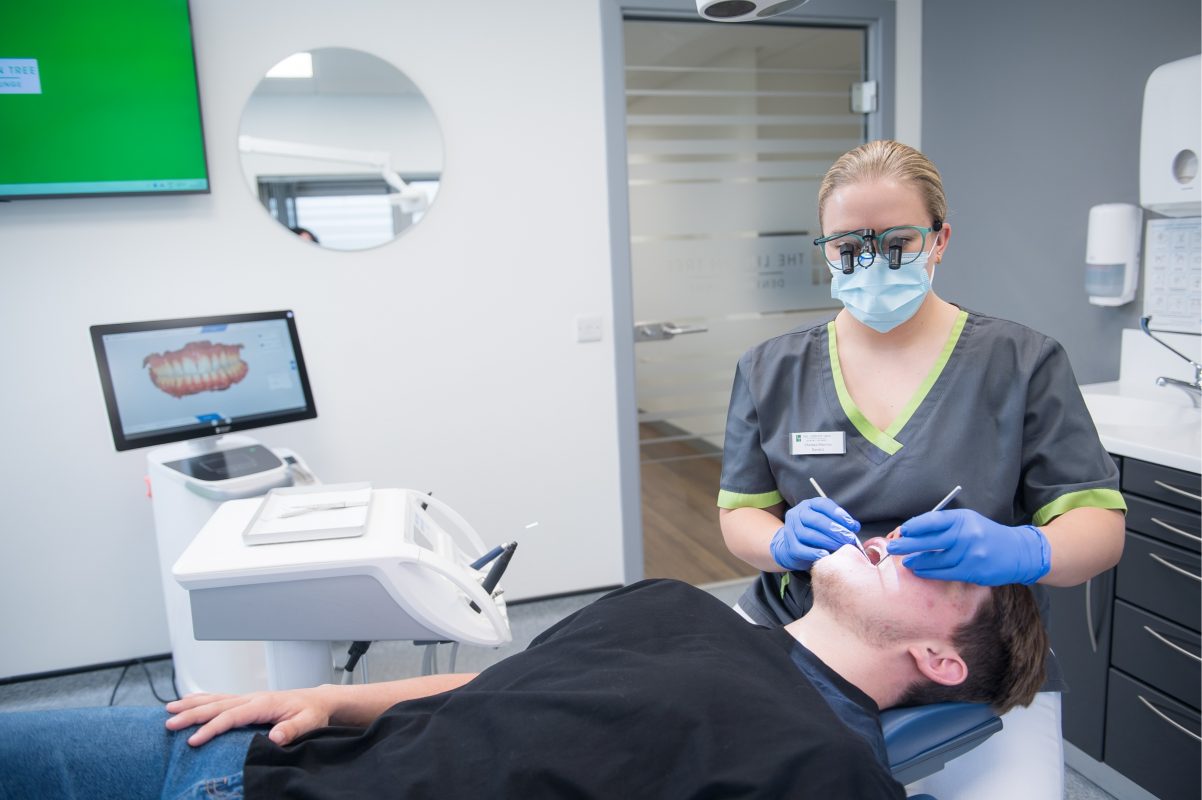
Your dentist or dental therapist will now visually examine your teeth and gums. They will check for any signs of tooth decay, failing dental work and gum disease, or other issues like obvious sores or unusual growths. They may take photographs or intraoral scans to better document and show you any concerns.

23
Feb
Feb
Once you have entered the surgery and been greeted by your dental clinician, they will first enquire about your perception of your oral and dental health. This will give you the opportunity to discuss with them any concerns you may currently have, such as any changes you noticed since your last visit or any elective […]

26
Nov
Nov
When you first arrive, the dental team may ask you to update your medical history, including any medications you’re taking or changes in your general health since your last visit. This is important because certain health conditions and medications can affect your oral health or treatment options we can offer to you.